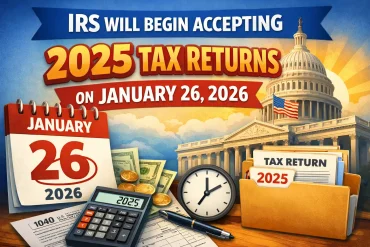

Starting October 1, 2025, the Internal Revenue Service stopped both accepting paper checks for tax payments and issuing paper refund checks. This change, prompted by a federal executive order with a September 30, 2025, cutoff, is part of a broader federal initiative to move entirely to electronic transactions to improve efficiency, lower costs, and reduce fraud and theft risks linked to paper checks.
This initiative is part of a broader modernization effort required under Executive Order 14247, aimed at improving efficiency, security, and overall taxpayer experience.
At SDG Accountant, we want to ensure you are prepared for this digital shift so your refund—money you’ve worked hard for—arrives safely and without unnecessary delays.
Why the Change?
The move away from paper is part of a broader federal initiative to modernize government payments. According to the IRS and the Department of the Treasury, the benefits are clear:
- Security: Paper checks are 16 times more likely to be lost, stolen, or fraudulently altered compared to electronic payments.
- Speed: Electronic refunds are typically issued within 21 days. In contrast, paper checks can take six weeks or longer to arrive by mail.
- Cost Efficiency: Phasing out paper is estimated to save the federal government over $600 million annually in printing and postage costs.
What does this mean for you?
If you are among the 93% of taxpayers who already use direct deposit, your experience won’t change. However, if you are part of the 7% who still rely on paper checks, you must take action before you file your 2025 return.
1. The “Default” is Now Digital
Starting with the 2026 filing season, the IRS will no longer offer a “paper check” checkbox as a standard refund option on tax software. Taxpayers will be prompted to provide banking information or select an alternative electronic method.
2. Options for the “Unbanked”
- 👉 Prepaid Debit Cards: Many reloadable cards have account and routing numbers that can be used for direct deposit.
- 👉 Digital Wallets: Certain mobile payment apps now provide routing numbers specifically for federal deposits.
- 👉 Low-Cost Accounts: The IRS encourages using resources like FDIC GetBanked to find no-fee or low-cost banking options.
3. The “Six-Week Wait” for Exceptions
While limited exceptions will exist for those with religious objections, disabilities, or extreme hardships, they are not automatic. Taxpayers who fail to provide banking information and do not have an approved exception may have their refunds held for at least six weeks while the IRS verifies their status, eventually resorting to a manual check.
How to Prepare Now?
To avoid any disruption when you file this January, we recommend taking these steps:
- Verify Your Info: Double-check your bank account and routing numbers. Even a single-digit error can cause your refund to be bounced back to the Internal Revenue Service.
- Open an Account: If you don’t have one, now is the time to set up a basic savings or checking account. Confirm accurate bank details before filing your return. Then choose direct deposit when filing taxes.
- Consult Your Tax Professional↗: If you have concerns about how this transition affects your specific situation—especially for international taxpayers or those with complex filings—reach out to us↗.
How SDG Accountants Can Help?
At SDG Accountants & Enrolled Agents, we stay ahead of IRS changes so our clients don’t have to worry. Our tax professionals help individuals and businesses:
- File accurate tax returns
- Set up direct deposit correctly
- Avoid refund delays and errors
- Stay compliant with IRS updates
- Maximize refunds while minimizing risk
Whether you’re filing as an individual, self-employed professional, or small business owner, our Miami Tax Accountant ensures your tax process is smooth and stress-free.
Final Thought
The IRS’s phasing out of paper tax refund checks marks a significant shift toward a faster, more secure tax system. While change can feel inconvenient, electronic refunds ultimately benefit taxpayers through speed, safety, and reliability.
As we head into the 2026 filing season, electronic payments aren’t optional anymore—they’re becoming the federal standard. At SDG Accountant, we’ll make sure your estimated tax payments, balance-due payments, and any IRS remittances are set up correctly and credited to the correct account, so nothing gets delayed, misapplied, or lost.
If you’re unsure how this change affects you or want expert guidance, Miami Accountant is here to help. 👉 Contact SDG Accountant & Enrolled Agent today to prepare for the future of digital tax refunds.